

Spring in Metro Detroit doesn’t stay mild for long. Once humidity shows up, air conditioners often run for hours at a time. If your system hasn’t been used much since last summer, small problems can start to appear right when you need cooling the most.
That’s why many homeowners go through a quick AC start-up checklist in spring. Early issues like dirty AC coils, capacitor symptoms, or a clogged condensate drain often develop during the off-season. Catching them early can prevent mid-summer breakdowns.
Routine AC maintenance is one of the best ways to prepare your system before humidity arrives, and professional service helps identify issues that may not be obvious during a quick home check.
Below are a few simple things homeowners can look at safely, along with common problems that often show up during early-season cooling.
Start-Up Basics Homeowners Can Verify Safely (Thermostat, Filter, Power, Airflow)
Before calling for service, there are a few basic things worth checking. These quick steps can sometimes fix small problems or help you spot an issue early.
Start with your thermostat. Ensure it’s set to cooling mode and set lower than the room temperature. If the thermostat uses batteries, replacing them can help avoid communication problems between the thermostat and the system.
Next, check your air filter. Filters often collect dust during winter when heating systems run more often. A dirty filter can restrict airflow and make your AC work harder than it should. Replacing a clogged filter is one of the easiest ways to improve performance.
You should also confirm that the system has power. Look at your breaker panel and make sure the AC breaker is on. Sometimes systems appear to stop working simply because power was turned off during winter service or maintenance.
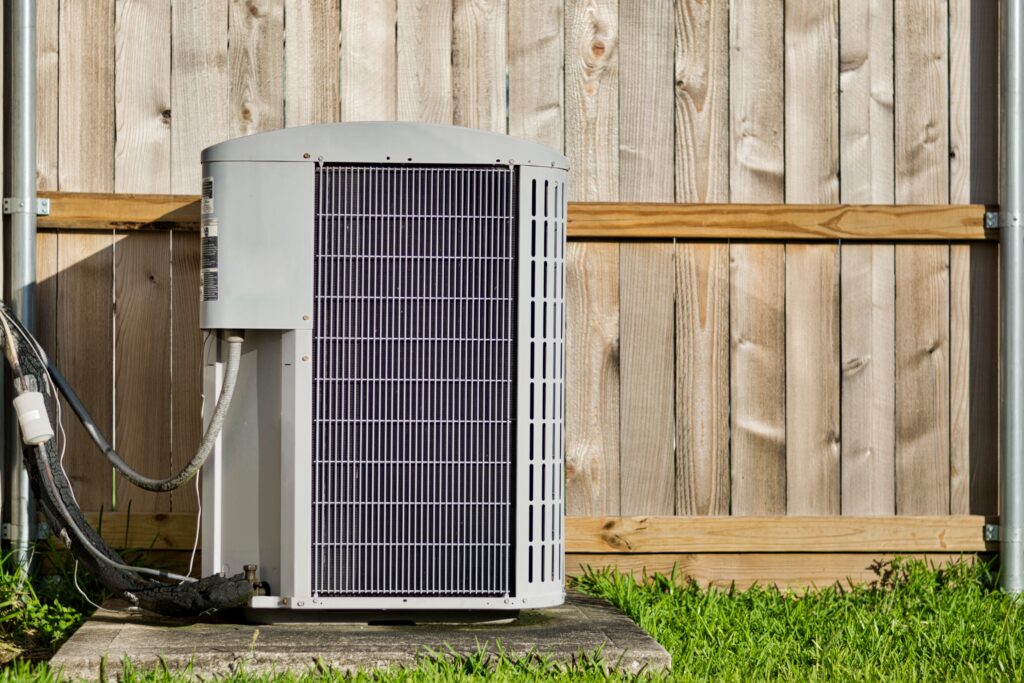
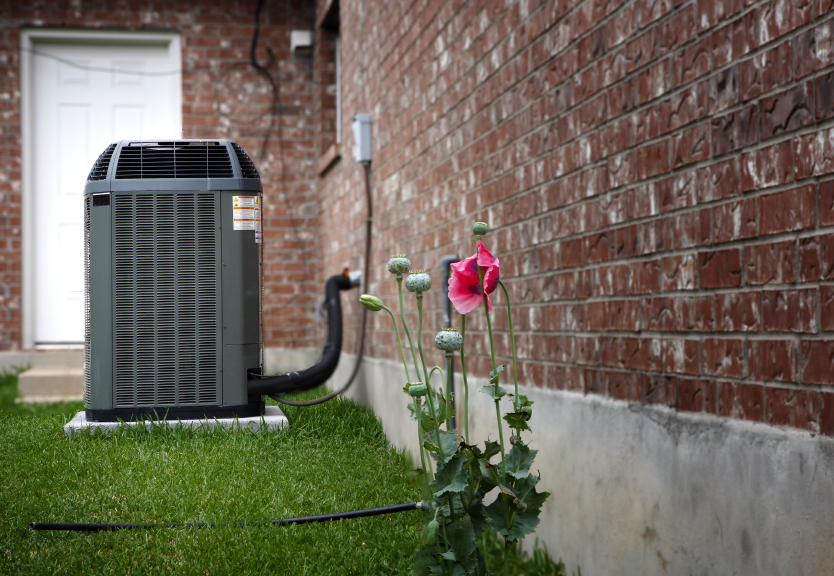
Finally, look at airflow around the outdoor unit. Leaves, branches, and debris often build up around the condenser during fall and winter. Clearing that space helps air move properly through the unit and keeps the system from overheating.
If your system still struggles to cool after these checks, it may need professional inspection or AC repair.
Capacitors, Coils, and Electrical Wear That Causes Weak Cooling or Hard Starts
Some AC problems develop slowly and may not be obvious at first.
One of the most common early-season issues involves the capacitor. This small part helps start the compressor and fan motors. When it begins to wear out, the system may struggle to start.
Common capacitor symptoms include a humming sound from the outdoor unit, the system taking longer than usual to start, or cooling that feels weaker than normal. These signs often appear before the capacitor fails completely.
Another common issue is dirty AC coils. Both the indoor and outdoor coils help remove heat from the air in your home. Over time, dust, pollen, and debris can collect on these coils.
When coils get dirty, the system must work harder to cool the home. In humid Metro Detroit weather, that extra strain can make the AC run longer and remove less humidity from the air.
Electrical parts can also wear down over time. Loose connections or worn contactors may cause the system to cycle on and off or struggle to start during heavy cooling demand.
These are the types of issues technicians usually look for during professional maintenance.
Condensate Lines and Drain Pans: Preventing Clogs, Leaks, and Shutdowns
Air conditioners in Metro Detroit remove a lot of moisture once humid weather arrives. That moisture collects inside the system and drains out through a small pipe called the condensate drain line.
Over the winter, that line can slowly fill with dust, algae, or debris. When the AC starts running again in spring, water may not drain the way it should. This is how a clogged condensate drain often develops.
When the drain line is partially blocked, water can back up into the drain pan instead of flowing outside. Many systems will shut themselves off when this happens to prevent overflow. In other homes, water may drip around the furnace or air handler.
Homeowners may notice water near the indoor unit, a musty smell when the AC runs, or the system suddenly stopping on a humid day.
Cleaning the condensate line during maintenance helps prevent these shutdowns and water problems.
Schedule an AC Tune-Up Before the First Sticky Week
At Detroit Furnace, we provide AC tune-ups that Detroit homeowners rely on to prepare their systems for summer. Our licensed and certified technicians inspect key components, clean system parts, and check for early signs of wear.
During maintenance visits, we check capacitors, inspect electrical connections, clean coils, and flush condensate lines. These steps help systems run more efficiently and reduce the chance of sudden breakdowns.
If your AC hasn’t been inspected since last summer, scheduling service before the first humid week can make a big difference in performance and reliability.