


Older Metro Detroit homes have a lot of character, but they can also have rooms that never quite feel comfortable. One bedroom stays cold, the hallway roars when the heat kicks on, and the basement feels stuffy even though the furnace runs all day. Those comfort problems usually trace back to how air moves through the duct system, not just the furnace itself. At Detroit Furnace, in Fraser, MI, we look at airflow, duct sizing, and return air so your heating system can do its job properly.
Diagnose: Static Pressure, Leaks & Undersized Returns
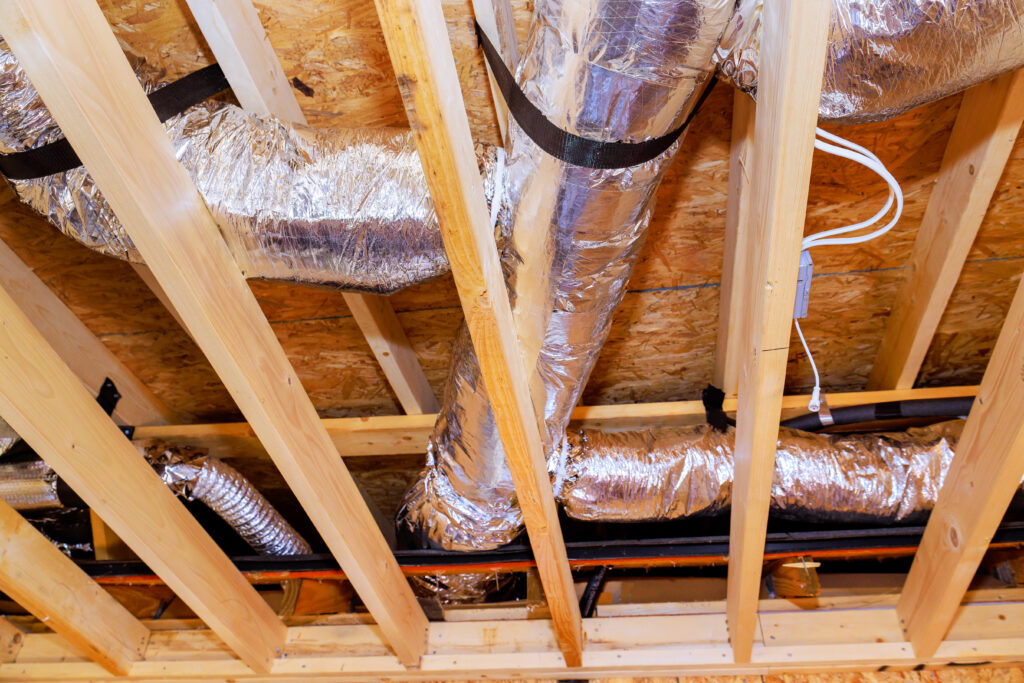
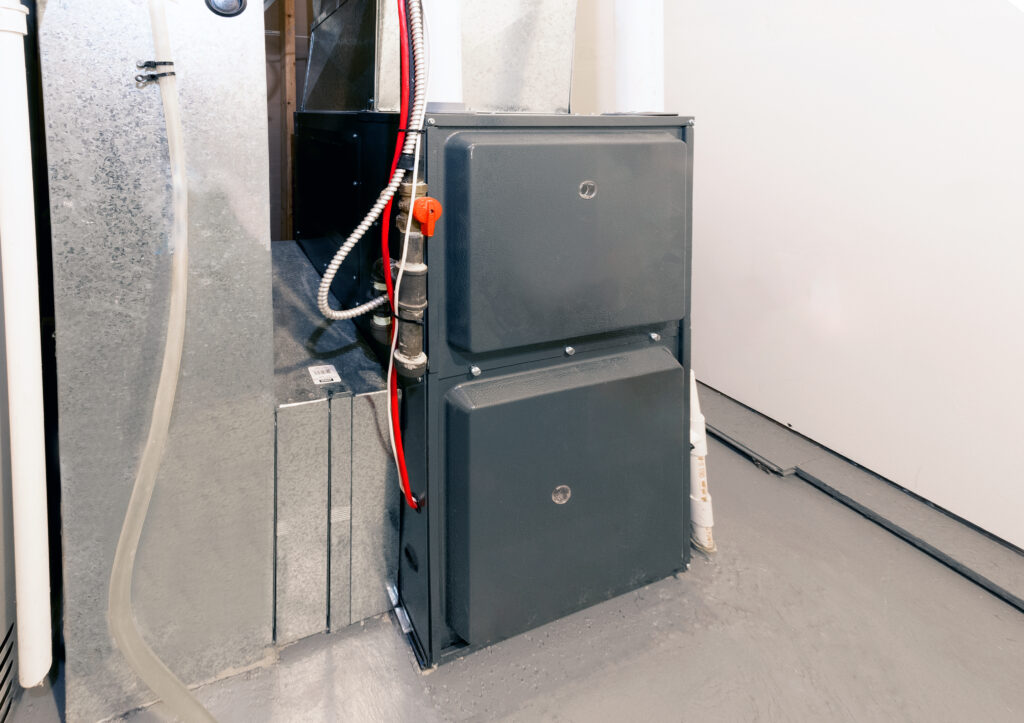
When you hear techs talk about static pressure, they are describing how hard your blower has to push to move air through the ducts. If pressure is too high, air speed increases, vents whistle, and some rooms still do not get enough heat. If it is too low, you may have big leaks that let conditioned air escape into attics, crawl spaces, or wall cavities instead of your living space. In many older Metro Detroit homes, additions, finished attics, and closed-off porches were tied into duct systems that were never designed for the current layout, which puts strain on the blower and ductwork.
Undersized return air is another major piece of the puzzle. Your system needs a way for air to flow back to the furnace as easily as it flows out. When there are not enough return grilles or the return duct is too small, the blower has to fight to pull air through narrow pathways, under doors, and around tight corners. That can create noisy ducts, pressure differences between rooms, and cold spots near exterior walls. A proper diagnostic visit includes static pressure readings, inspection of supply and return ducts, and a careful look at where leaks and restrictions are stealing airflow.
Fix: Balance Dampers, Seal Leaks, Add/Resize Returns
Once you know what the duct system is doing, the next step is to guide more air where you need it and stop wasting air where you do not. Balancing repairs start with dampers, which are small metal plates inside certain duct branches. A technician can adjust these to send a bit less air to rooms that run warm and more to rooms that lag. This is not guesswork with vents alone. Proper balancing uses readings at the vents and pressure measurements so changes do not overload the blower or starve other parts of the house.
Sealing duct leaks often makes just as big a difference as balancing. Joints in older metal ducts can separate slightly, and flex duct can develop tears. A professional will use mastic and approved tape products on exposed ducts in basements, crawl spaces, and attics to keep conditioned air inside the system. At the same time, they look at the return air. That can mean cutting in new return grilles, upsizing a tight return drop near the furnace, or adding a return path from a closed-off room so air can flow back easily.
When a Ductless Zone Makes More Sense
Some rooms fight you no matter how much you adjust the existing ductwork. Common trouble spots include rooms over garages, basement rec rooms finished long after the house was built, and attic conversions with lots of roofline angles. To feed those spaces from the main duct system, you often need long runs with tight bends that lose heat along the way. Even with sealing and balancing, those runs may never deliver the same comfort level as the core of the house.
In those situations, a ductless mini-split can be a smarter fix than forcing more air through a difficult duct path. A ductless unit mounts on the wall or ceiling in the problem room and connects to an outdoor unit with small refrigerant lines. That setup gives you direct heating and cooling in that space while the existing furnace and duct system continue to serve the rest of the house. A qualified HVAC pro can help you decide when a ductless zone is the right move and when duct changes alone can solve the problem. The goal is comfort and reliability, not pushing an existing system beyond what it can handle.
A Simple Plan to Even Out Your Home
Cold rooms and noisy ducts are signs that your home’s airflow needs attention, not a reason to live with sweaters and box fans all winter. We handle airflow assessments, regular maintenance, duct sealing, register and grille updates, and ductless zone installations so your furnace and air conditioner can work the way they were designed to. If you are ready to sort out uneven rooms and loud vents, schedule an Airflow Assessment with Detroit Furnace today.